
A sustainable product is only as strong as the process that creates it.
In the rubber industry, this matters deeply. Manufacturing rubber has traditionally required significant energy, water and thermal resources. From polymerisation and drying to cooling, cleaning and steam generation, factories depend on large amounts of power and process water to operate efficiently.
Today, the industry is recognising that sustainability cannot stop at the product level. It must extend into the factory itself.
The modern rubber manufacturing plant is being reimagined as a smarter, cleaner and more resource-efficient system.
The First Priority: Using Energy Better
Energy is one of the biggest focus areas in sustainable manufacturing.
Rubber production involves several energy-intensive steps, especially where heat, steam, drying and continuous processing are required. Reducing this energy demand is central to lowering the carbon footprint of manufacturing operations.
Factories are now approaching energy efficiency through a combination of:
- Renewable energy adoption
- Better energy monitoring
- Process optimisation
- Waste heat recovery
- Cleaner thermal energy sources
The goal is not only to use cleaner energy, but also to use less of it.
Renewable Energy on the Factory Floor
One of the most visible changes is the shift towards renewable power.
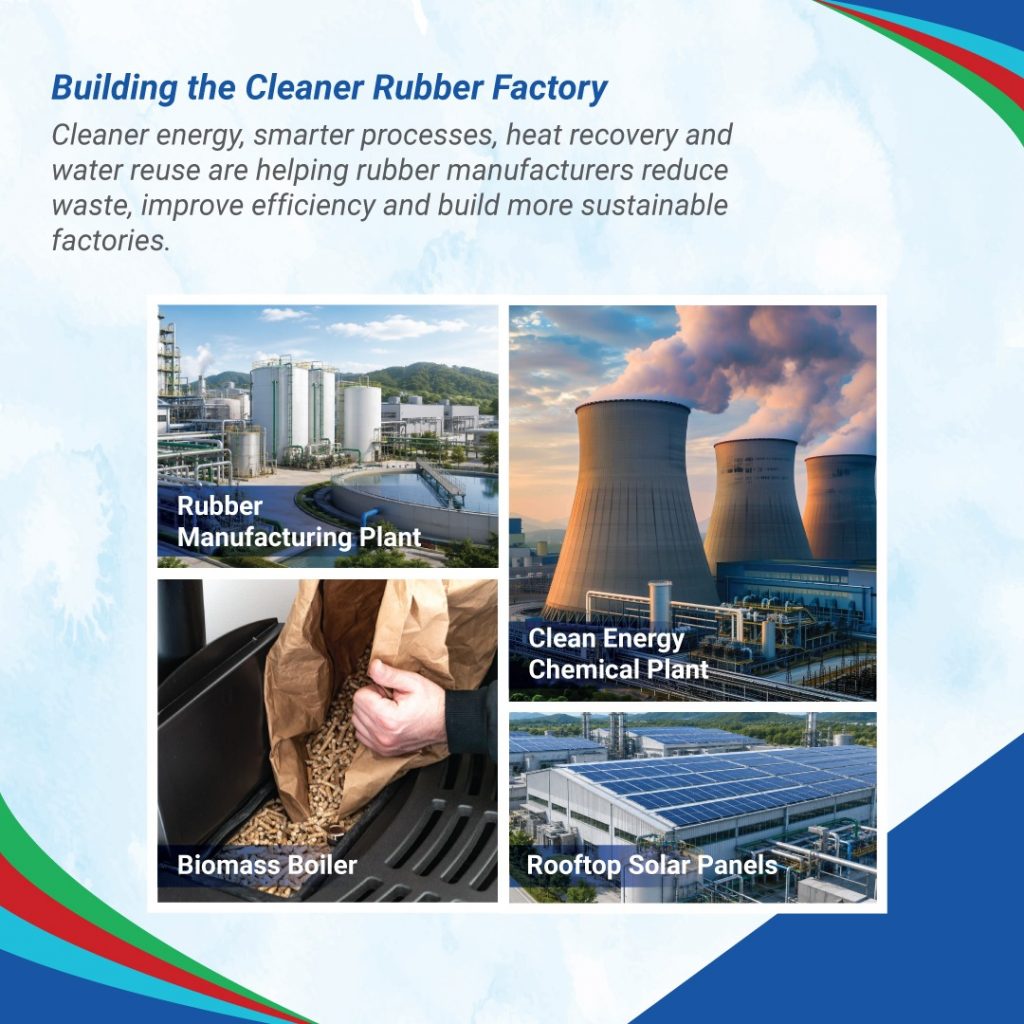
Large factory rooftops offer an opportunity for solar panel installations, allowing manufacturing units to generate part of their electricity on-site. In suitable regions, wind energy can also support cleaner operations.
Some plants are also exploring biomass-based energy, using agricultural residues and organic waste to generate thermal energy for industrial processes.
These renewable sources help reduce dependence on fossil-fuel-based power grids and support long-term carbon reduction goals.
Smarter Monitoring, Lower Waste
Clean energy is important, but efficiency is equally critical.
Factories are increasingly using detailed energy audits to identify where energy is being wasted. These audits help locate inefficient equipment, heat losses, unnecessary load patterns and process steps that can be improved.
Advanced energy management systems, including frameworks such as ISO 50001, can help factories monitor energy consumption more systematically. Real-time tracking allows teams to take corrective action faster and make better operational decisions.
This turns energy management from a periodic review into a daily operating discipline.
Turning Waste Heat into Useful Energy
In manufacturing, heat loss is often one of the biggest hidden inefficiencies.
Rubber factories are now exploring waste heat recovery systems that capture thermal energy from production lines and reuse it within the facility. This recovered heat can be used to preheat materials, support steam systems or warm other sections of the process.
Another important approach is cogeneration, also known as Combined Heat and Power. In this system, electricity and useful heat are produced from a single energy source, improving overall efficiency.
Instead of allowing energy to escape unused, cleaner factories are learning to recover, redirect and reuse it.
Water: The Other Side of Sustainable Manufacturing
Energy is only one part of the sustainability equation. Water management is equally important.
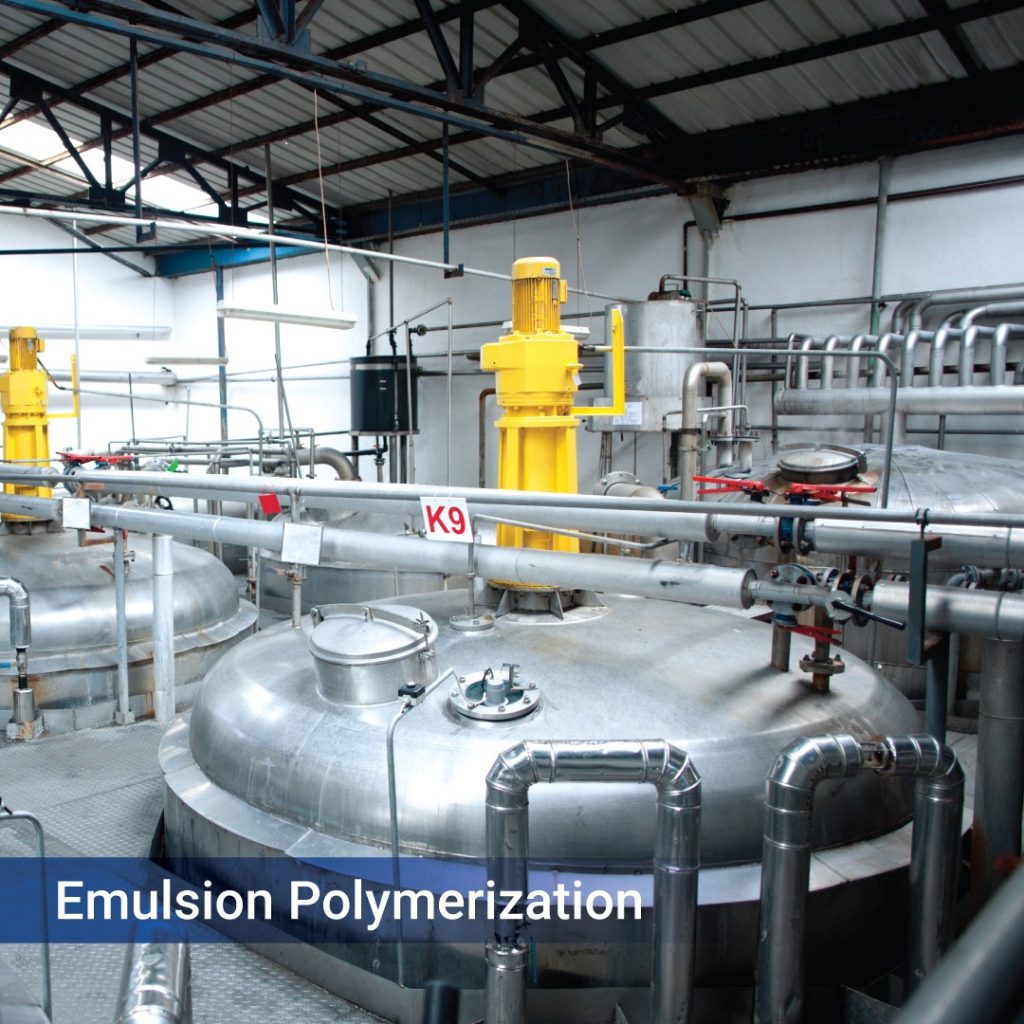
Processes such as emulsion polymerisation, commonly used for rubbers like SBR and NBR, require large volumes of water. Water is also used for cooling, cleaning, steam generation and various support processes across the plant.
This makes water conservation a major priority.
The industry is moving towards a clear model:
- Reduce water consumption
- Reuse water wherever possible
- Recycle treated wastewater back into operations
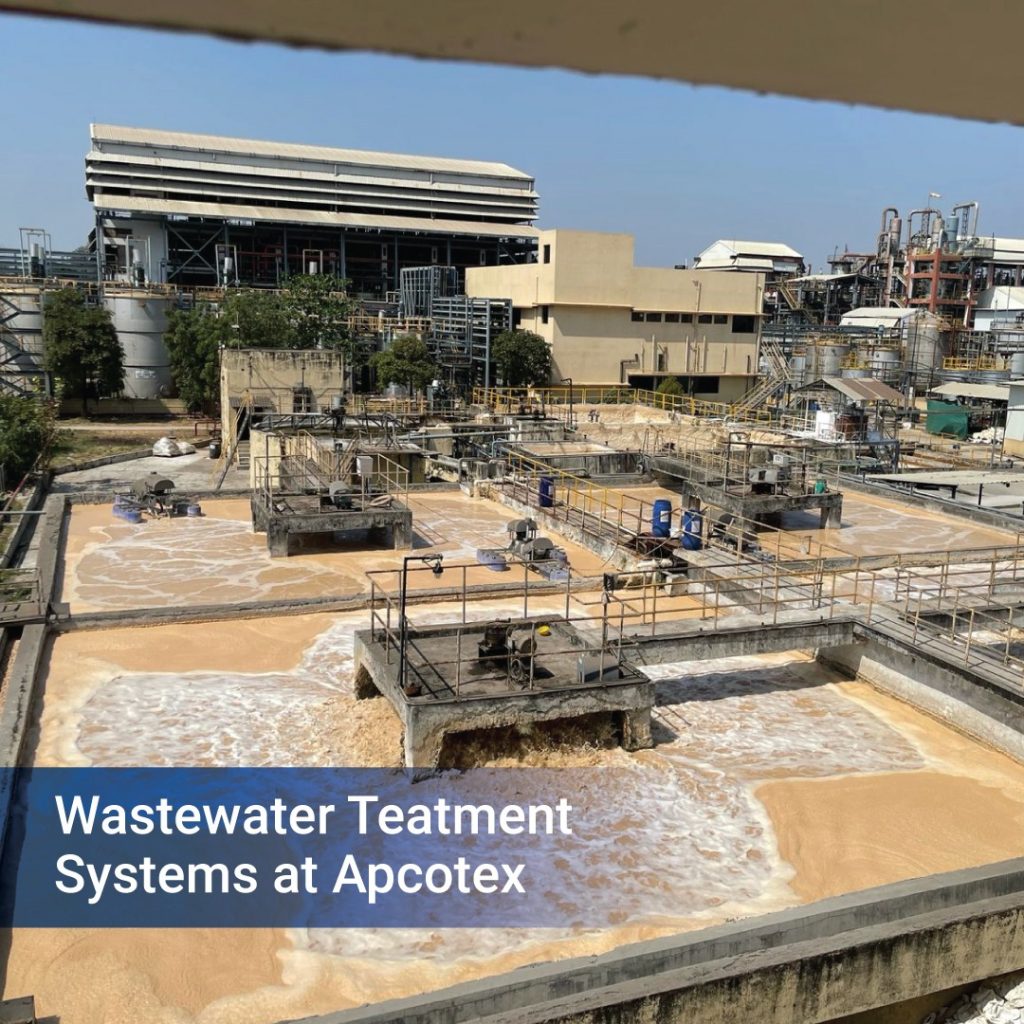
Advanced wastewater treatment systems are enabling factories to purify and reuse process water more effectively. This reduces freshwater dependence and helps create more resilient manufacturing operations.
Water management standards such as ISO 46001 can also help organisations bring structure, measurement and accountability into their conservation efforts.
A Cleaner Factory is a Smarter Factory
Sustainable rubber manufacturing is not built on one solution alone. It requires many improvements working together.
Renewable energy, energy-efficient equipment, waste heat recovery, cogeneration, wastewater treatment and stronger monitoring systems all contribute to the same goal: reducing environmental impact while improving operational efficiency.
For the rubber industry, this is an important shift. Sustainability is no longer only about what goes into the product. It is also about how responsibly the product is made.
The modern rubber factory is becoming more intelligent, more efficient and more accountable. And in doing so, it is proving that sustainable manufacturing can support both environmental responsibility and long-term business performance.