

Sustainability is no longer a peripheral idea for manufacturers. It now influences how products are developed, sourced, produced, used and eventually disposed of.
For the elastomer industry, this shift is especially important. Elastomers support critical applications across tyres, automotive components, construction, industrial products and consumer goods. However, many commercial elastomers still depend heavily on fossil-fuel-derived raw materials.
This creates a clear challenge: how can the industry reduce environmental impact while continuing to deliver the performance, durability and reliability expected from elastomeric materials?
The Sustainability Challenge in Elastomers
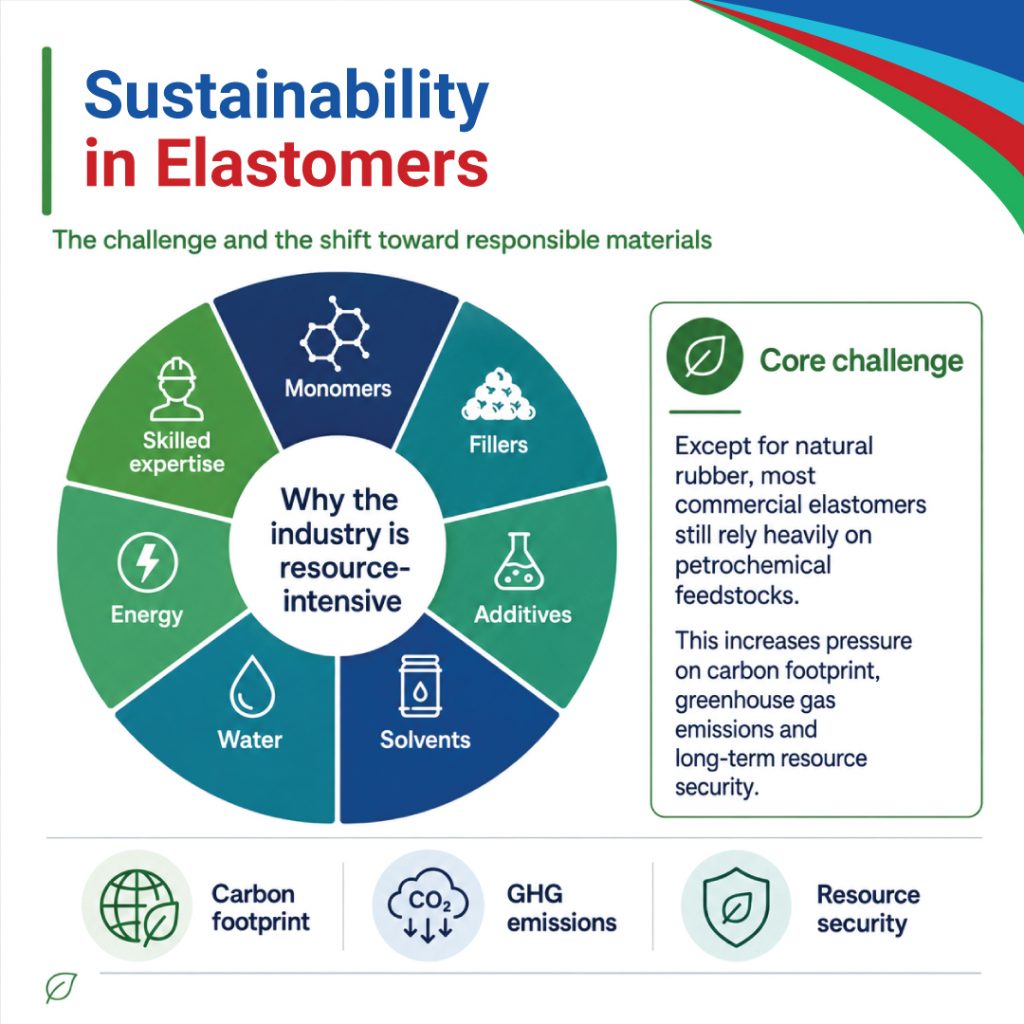
The elastomer industry is resource-intensive. It depends on:
- Monomers
- Fillers
- Additives
- Solvents
- Water
- Energy
- Skilled manufacturing expertise
Except for natural rubber, most commercial elastomers are produced from petrochemical feedstocks. This reliance on non-renewable resources raises concerns around carbon footprint, greenhouse gas emissions and long-term resource security.
Sustainable elastomer manufacturing therefore focuses on:
- Lower energy and water consumption
- Reduced dependence on fossil-based inputs
- Improved recycling and circularity
- Better use of renewable and recovered materials
- Long-term environmental stewardship
Moving Towards Sustainable Elastomers
One important pathway is the use of renewable, bio-based feedstocks as alternatives to petroleum-derived raw materials.
Bio-based feedstocks can help:
- Reduce greenhouse gas emissions
- Lower carbon footprint
- Improve resource security
- Support circular economy principles
Natural rubber from Hevea brasiliensis remains the dominant renewable elastomer source. However, researchers are also exploring alternative rubber-producing plants such as Guayule and Russian dandelion. These crops can produce high-molecular-weight natural rubber and may offer benefits such as non-tropical cultivation, reduced allergenicity and stronger supply-chain resilience.
Alongside this, renewable monomers such as myrcene and farnesene, derived from terpene-rich biomass, are being studied for bio-based synthetic elastomers. These materials offer promising routes to reduce dependence on fossil-based elastomers while maintaining required performance properties.
Unlocking Circularity Through Recycling
Recycling is another critical pillar of sustainability in elastomers.
End-of-life rubber products often pose a disposal challenge because crosslinked rubber networks are difficult to reprocess. However, newer recycling approaches are helping recover value from rubber waste.
These include:
- Devulcanisation
- Chemical recycling
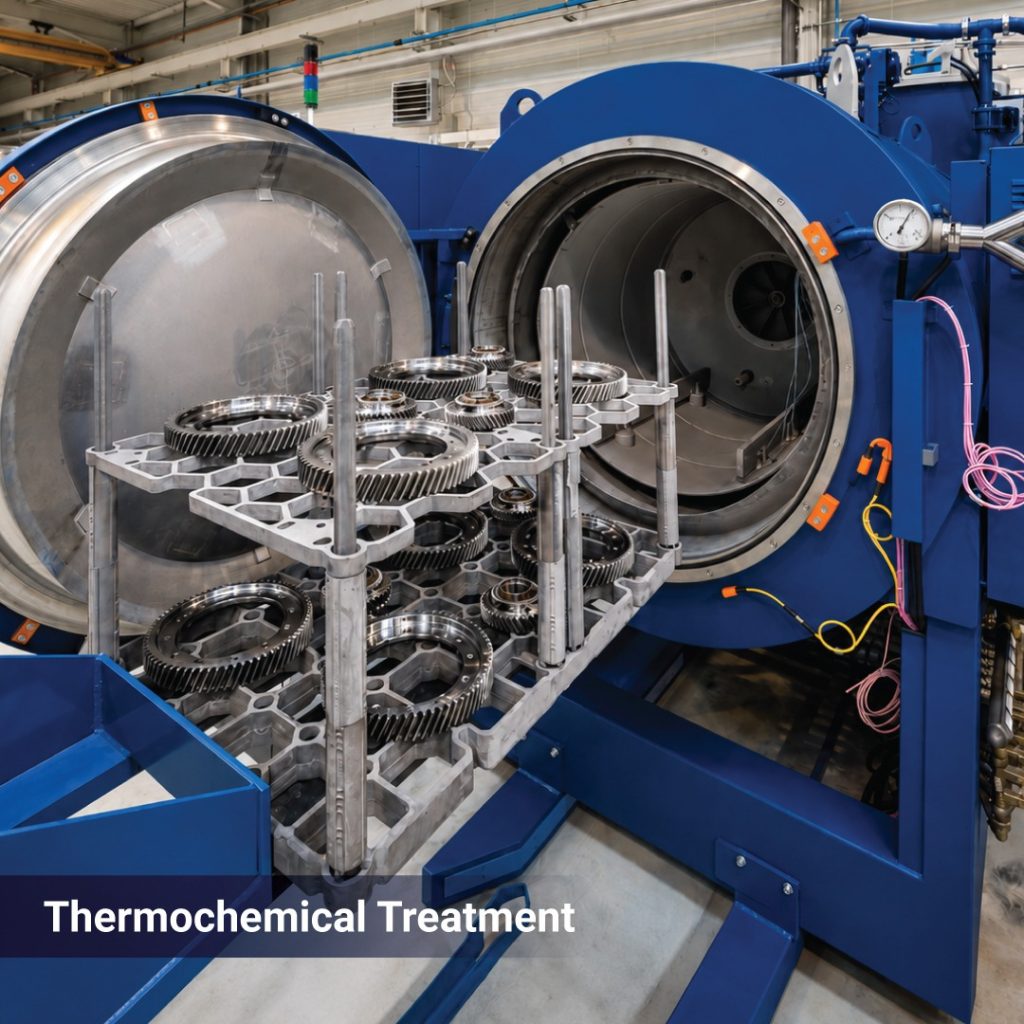
- Thermochemical treatment
- Use of reclaimed rubber and ground tyre rubber
Such processes can convert rubber waste into reusable material streams. These recovered materials can then be incorporated into new elastomer formulations, reducing reliance on virgin raw materials and helping divert waste from landfills.
This supports a more circular and resource-efficient elastomer economy.
The Rise of Sustainable Fillers
Fillers are essential in elastomer formulations. They help improve strength, durability, performance and cost efficiency. However, conventional fillers such as carbon black and certain mineral fillers can add significantly to the environmental footprint.
Sustainable fillers are therefore gaining importance.
Promising options include:
- Cellulose
- Starch
- Lignin
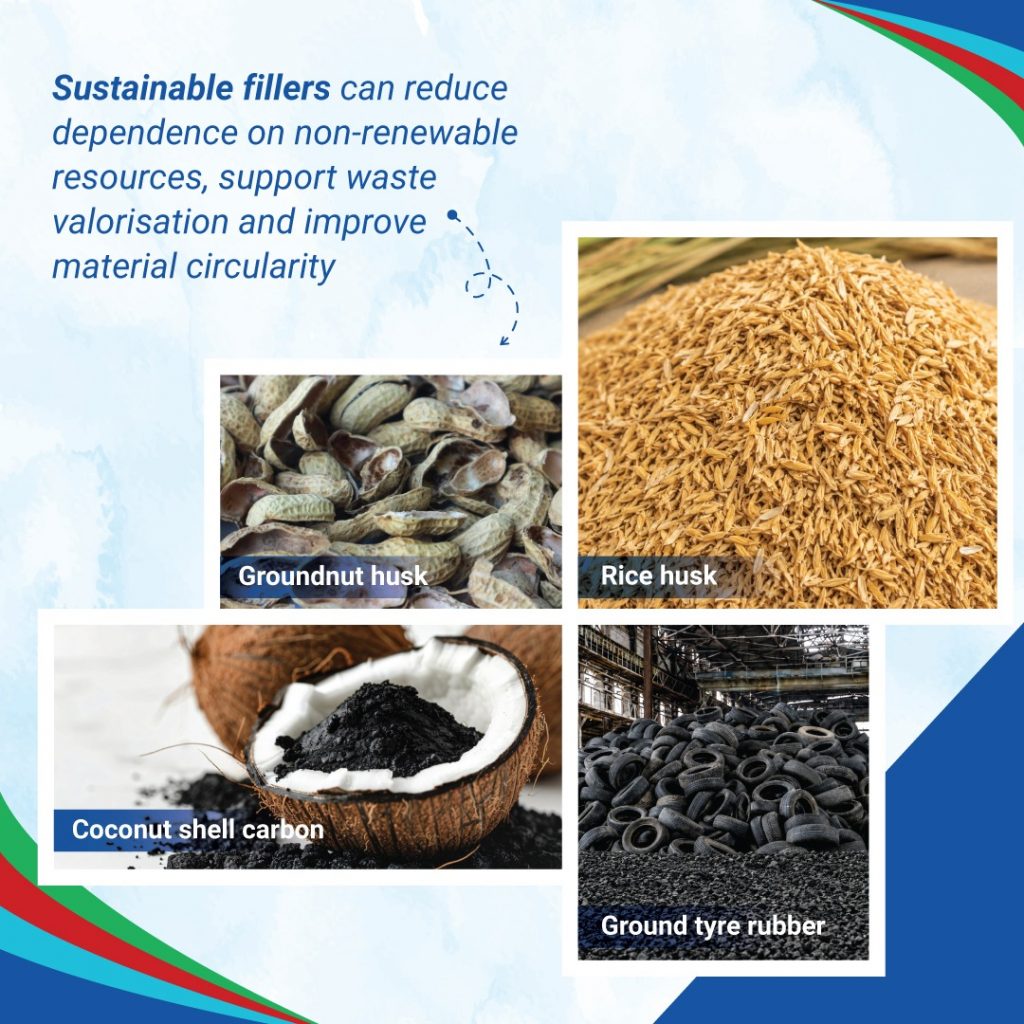
- Rice husk
- Coconut shell carbon
- Groundnut husk
- Ground tyre rubber
These fillers can reduce dependence on non-renewable resources, support waste valorisation and improve material circularity.
Advanced fillers such as nanosilica, nanoclays, graphene-based materials and carbon nanotubes can also improve reinforcement efficiency at lower loading levels, helping reduce material consumption.
Building a More Sustainable Elastomer Industry
Sustainability in elastomers will not come from one solution alone. It requires progress across raw materials, recycling, process efficiency, formulation design and end-of-life recovery.
For the industry, the opportunity is clear: create elastomers that continue to deliver performance while reducing environmental impact.
The future of elastomers will increasingly be shaped not only by how well materials perform, but by how responsibly that performance is achieved.